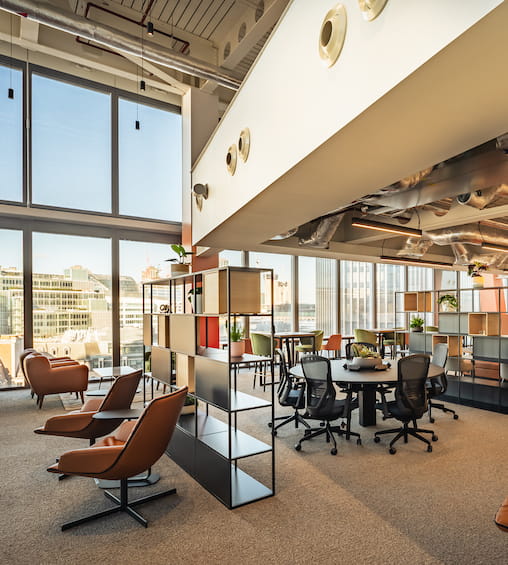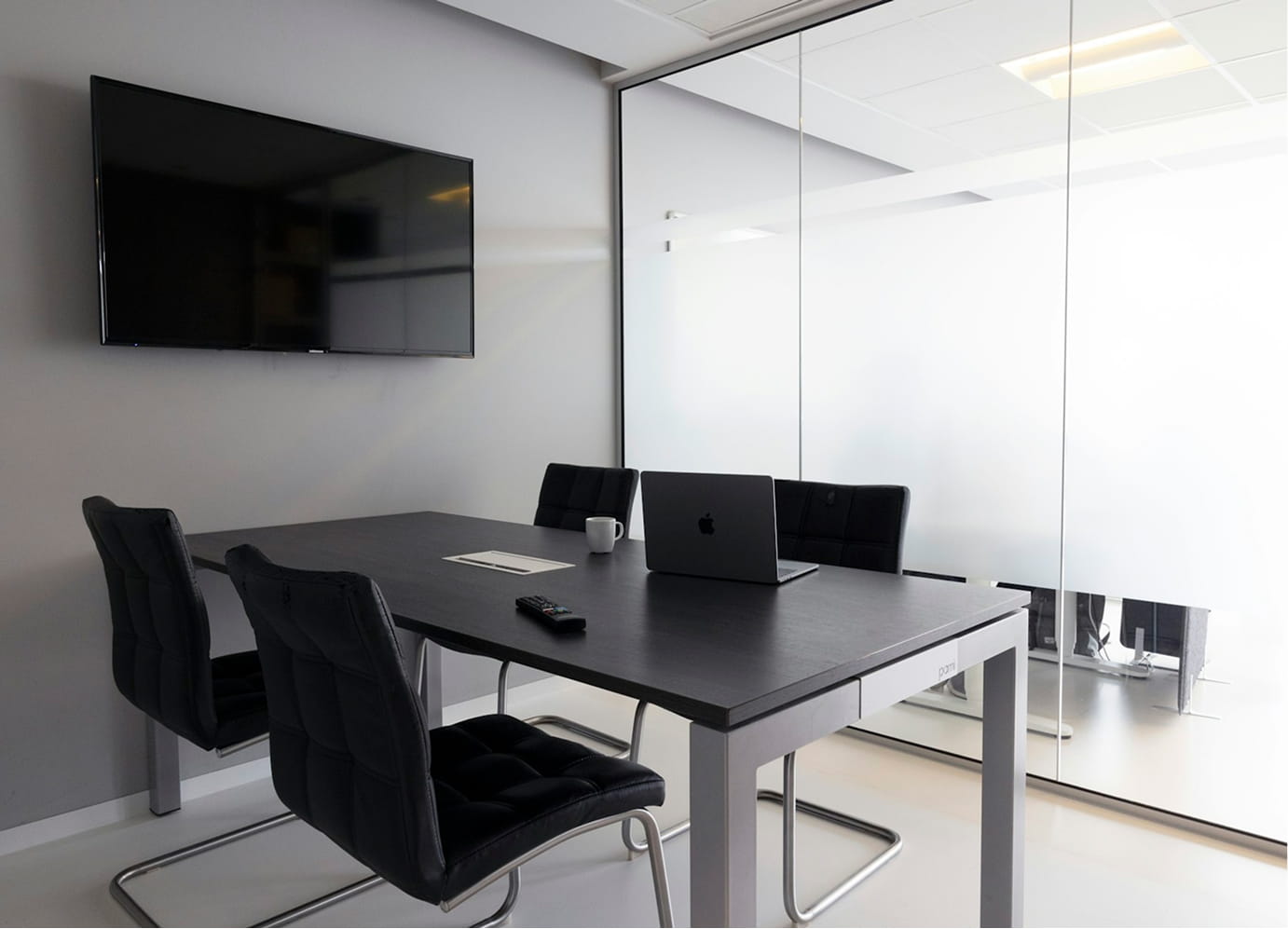
Hosting clients? Choose the office to match.
What to look for in an office when clients visit: reception, location, meeting rooms, privacy and the impression the building makes.
For some businesses the office is a working space. For others it is part of the client experience. If customers regularly visit, the choice of building changes.
This guide explains what to prioritise and how to compare offices for client-facing teams.
Create a client-meeting scenario before the viewing. Imagine a visitor arriving 15 minutes early for a confidential meeting. Where do they wait? Who greets them? Is the meeting room ready, quiet and easy to find? What happens if the previous meeting overruns? Walking through that journey reveals more than simply looking at the boardroom furniture.
A useful shortlist should always include at least one realistic alternative rather than three versions of the same choice. Compare a premium option, a mid-market option and a value-led option where possible. That makes the trade-offs visible and gives the team a much better basis for deciding whether a higher price is genuinely justified.
Before a viewing, write down the five things that would make you reject the office immediately. During the tour, test those first. Then look at the softer factors such as design, atmosphere and communal space. This prevents a strong first impression from hiding a weak contract, poor meeting-room setup or difficult commute.
When two offices are close, model the next 12 months rather than just the first month. Add expected headcount, meeting-room usage and any recurring extras. A flexible office that costs slightly more today may be cheaper than moving again six months later because the first space cannot support growth.
Start your London office search
What matters most
Location and transport
Can clients reach you easily? Check the walk from the station and whether the area suits the clients you host.
Reception and arrival
Is there a staffed reception? Where do visitors wait?
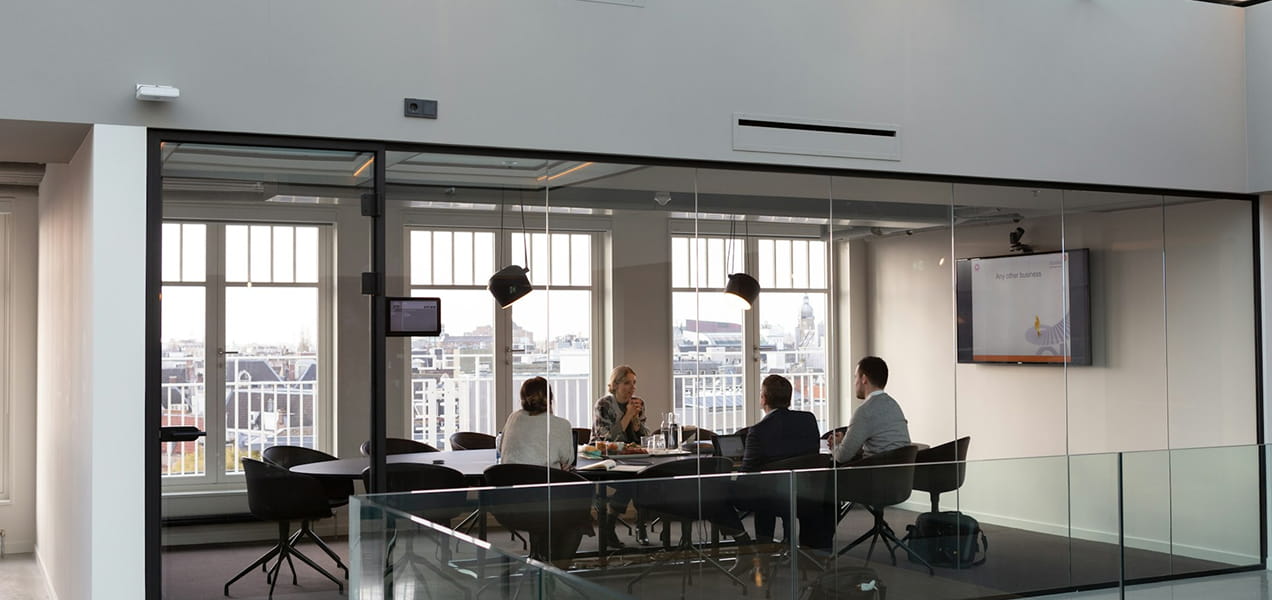
Meeting rooms
How many are there? Are they included, and are they available when you need them?
Privacy
Where do confidential conversations and calls happen?
Impression
Does the building, its lobby and the neighbourhood reflect how you want to be seen?
Areas to consider
Mayfair and St James’s are premium locations where address, presentation and client experience carry particular importance. The City suits finance and professional services. Soho and Fitzrovia are popular with media, creative and advertising businesses.
Other areas can give you more for the same money, so compare trade-offs rather than assuming a prestigious postcode is necessary.
Hospitality can be useful but should not distract from basics. Coffee, event space and attractive lounges are valuable only if the meeting rooms are easy to book, acoustically private and technically reliable. Test the video-conferencing setup, screen sharing and guest Wi-Fi if remote participants regularly join client meetings.
Think about repeat visits too. Clients notice when reception is inconsistent or when every meeting requires a complicated guest-registration process. A slightly less dramatic building with dependable service can create a better long-term impression than a premium lobby followed by a frustrating meeting experience.
Before making the final decision, write down the assumptions behind the choice. How many people will attend on the busiest day? How often will meeting rooms be used? How likely is headcount to change? Which facilities are genuinely essential? Revisit those assumptions after the first viewing, because the market often reveals trade-offs that were not obvious when the brief was written.
A good office decision should still make sense six months after move-in. That usually means choosing the option that balances cost, flexibility and day-to-day usability rather than the building that creates the strongest first impression.
Questions to ask at the viewing
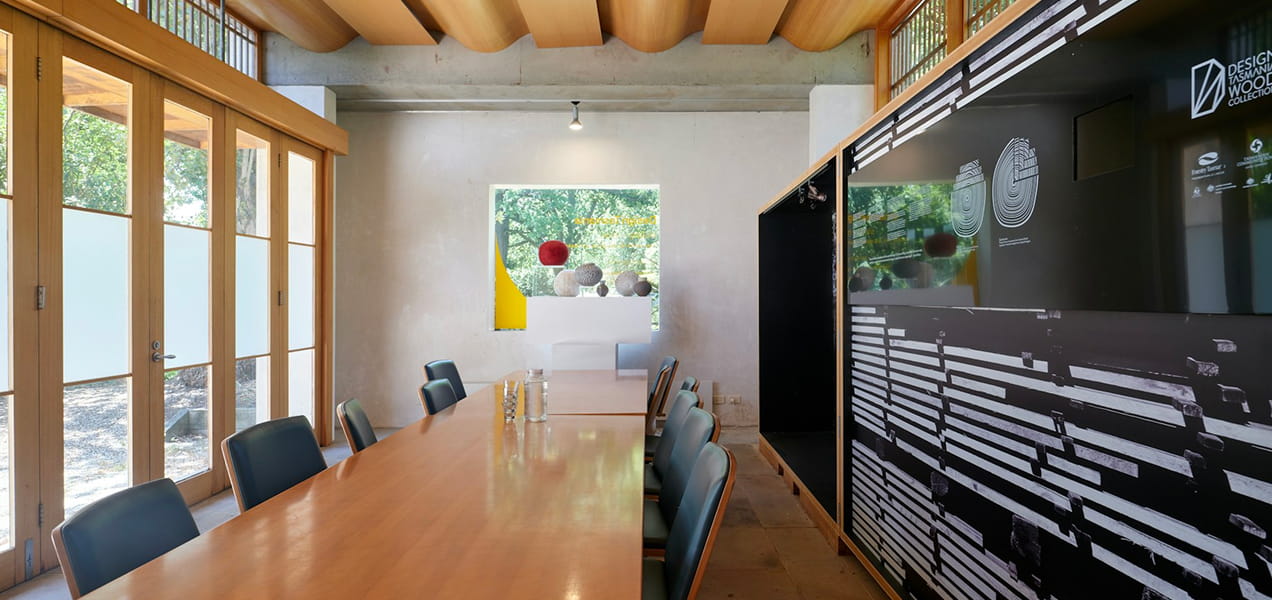
- How many meeting rooms are there, and are they included?
- Are meeting rooms actually available when we need them?
- Is there a staffed reception?
- Can clients wait in communal areas?
- Where do confidential calls happen?
- Is access 24/7, and what are weekend arrangements?
Try to view the exact office you would occupy, not only a showcase suite.
Count the real cost
Meeting-room charges can change the true monthly cost. Ten desks at £550 plus £500 in meeting rooms is more than ten desks at £600 with a meeting-room allowance included.
Compare the likely total monthly cost, not just the advertised desk rate.
Where London Offices helps
London Offices works with more than 600 offices across London and can shortlist offices that suit client-facing teams, arrange tours and support negotiation. The service is free to businesses.
London Office Search & Broker Service
Start your London office search
Tell us how often clients visit and what impression you want to give, and compare a focused shortlist.
Start your London office search
For further reading, explore Best Flexible Offices in London 2026, London Offices with 24/7 Access and the London Office Cost & Price Index 2026.